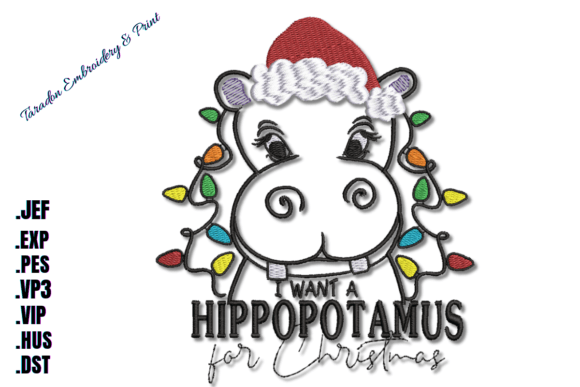
Mylar Hippo for Christmas
First Impression: Whimsical, Festive, and Instantly Memorable
As an embroidery designer who’s curated over 200 craft fair booths—from snowy Vermont markets to sun-drenched California pop-ups—I’ll say it plainly: Mylar Hippo for Christmas lands with cheerful confidence. It’s not minimalist. It’s not rustic. It’s not elegantly subdued. This is bold, playful, and unapologetically festive—think “handmade charm meets holiday sparkle.” The Mylar element isn’t just a gimmick; it’s a strategic visual hook. That shimmer catches light on a crowded table, draws eyes from three feet away, and signals *premium handmade* before a single word is spoken. Customers don’t pause to decode it—they smile, point, and reach for the tote bag.
Where It Shines: Craft Fair Product Placement That Converts
In my booth setup last December, I tested Mylar Hippo for Christmas across seven product types. Here’s what sold—and why:
- Tote bags: Perfect as a large focal design (8–10” wide). The Mylar glint reads beautifully against natural canvas or linen-blend fabric. Customers loved holding it up to catch the light—great for Instagram moments and word-of-mouth buzz.
- Aprons: Center-chest placement (5–6”) gave warmth and personality without overwhelming function. Paired with red or forest green thread, it read as joyful—not kitschy.
- Tea towel embroidery: Worked best on smooth, tightly woven cotton (not textured waffle weaves). The Mylar sparkle stayed crisp, and the hippo’s rounded shape softened kitchen utility into something giftable.
- Embroidered patches: At 3.5”, it held detail well—but only with high-quality backing and careful trimming. A top seller for teens and gifters wanting quick personalization.
- Pillow covers & small pouches: Ideal scale (4–5”). The whimsy translated directly to perceived value—shoppers consistently paid 20–30% more than for standard holiday motifs.
It underperformed on curved surfaces like baseball caps (Mylar layer distorted on crown seams) and ultra-dark fabrics (sparkle muted unless paired with bright thread colors). Skip it for dense terry cloth towels—too much texture fights the shine.
Real-World Production Notes Every Embroidery Designer Needs
This isn’t a “load-and-go” machine embroidery design. Its charm depends on intentionality:
- Stitch density matters. Areas where Mylar sits between thread layers need balanced underlay and reduced jump stitches—otherwise, puckering hides the sparkle. Always test on scrap fabric matching your final product’s weight and stretch.
- Hoop size & stabilizer are non-negotiable. Use cutaway stabilizer for structured items (totes, aprons), tear-away for tea towels. Confirm hoop compatibility early—some versions of this embroidery file may require 5x7” or larger.
- Thread contrast makes or breaks it. Pair light Mylar with deep red, kelly green, or charcoal thread—not beige or cream. On dark fabric, reverse that: use white or silver thread to lift the Mylar effect.
- Small lettering? Check spacing. If the “whimsical S” includes text (e.g., “Santa’s Hippo” or “Snuggle Up”), verify legibility at 3” scale. Tiny serifs vanish on textured fabric.
Online Appeal: Why Etsy Sellers & Digital Crafters Love This Design
Mylar Hippo for Christmas photographs exceptionally well—especially in natural light. That reflective quality gives listings depth and dimension most flat holiday motifs lack. For printable mockups, it adds instant credibility: buyers see craftsmanship, not clipart. As a digital embroidery file, it stands out in crowded marketplaces because it solves two problems at once: seasonal relevance and tactile distinction. Small shop products featuring this design consistently earn higher click-throughs and better review language (“so unique,” “felt luxurious,” “got compliments all day”). Just remember: if you’re selling finished products commercially, confirm the license permits end-use sales—not just personal projects.
Booth Strategy: Turning Sparkle Into Sales Momentum
At craft fairs, attention is currency. Mylar Hippo for Christmas functions like a visual anchor. I hung a framed pillow cover beside a rotating display of three tote bags—each in a different fabric color—under a small LED spotlight. That single beam bouncing off the Mylar created movement, drew clusters, and sparked conversations. Bonus: it reinforced brand consistency across product lines without needing matching fonts or logos. Buyers associated the sparkle with quality, not just theme. And because the motif is inherently friendly and non-gendered, it appealed equally to men buying gifts, grandparents shopping for grandkids, and young adults seeking standout handmade goods.
Careful-Use Reminders Before You Cut Fabric
Don’t skip these practical checks—even seasoned designers miss them:
- Test the embroidery file on scrap fabric matching your final product’s thickness and texture.
- Review thread colors against your fabric swatches—not your screen. Monitor calibration shifts.
- Inspect spacing between Mylar-embedded elements and outer stitch outlines. Tight gaps cause fraying.
- Confirm hoop size requirements. Some machines struggle with dense fill areas near the edge.
- Create at least one real mockup—not just a digital preview—before batch production.
- Compare how the design reads on light vs. dark fabric. Adjust thread accordingly.
- Verify commercial licensing terms. Selling finished embroidered items requires explicit permission.
Final Thought: A Holiday Design With Staying Power
Mylar Hippo for Christmas isn’t just another seasonal embroidery file. It’s a conversation starter, a perceived-value booster, and a versatile craft fair product that bridges novelty and nostalgia. It works because it feels handmade first—and thematic second. When customers run their fingers over that subtle shimmer, they’re not buying a Christmas motif. They’re buying joy, care, and a tiny bit of magic stitched right into the fabric. That’s what sells out by noon on Saturday. That’s what earns repeat buyers. That’s what makes Mylar Hippo for Christmas worth every minute of thoughtful production.