Multicolor Christmas String Fairy Lights
A Spark of Holiday Charm—But Does It Stitch Like Magic?
Let’s be real: I opened Multicolor Christmas String Fairy Lights expecting whimsy—and got it. But as someone who’s stitched hundreds of holiday designs for client orders, Etsy listings, and small-batch boutique merchandise, I don’t stop at “pretty.” I ask: Will this hold up on a cotton tote after three washes? Will it read clearly on a baby onesie? Does it translate well from screen to fabric without looking muddy or overworked?
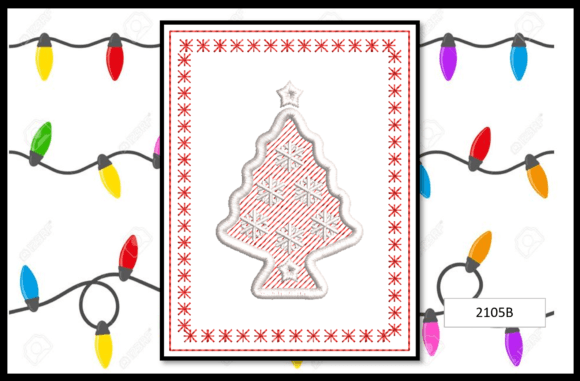
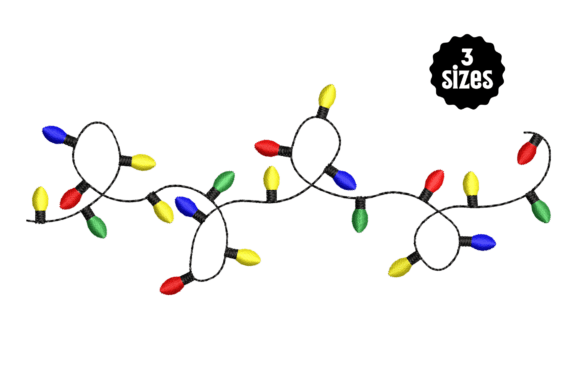
This machine embroidery design delivers exactly what its name promises—a delicate, twinkling string of multicolored lights, arranged with gentle curve and subtle spacing. No heavy outlines, no dense fill blocks—just light, rhythmic satin and running stitches that mimic the soft glow of real fairy lights. It feels handmade, not digital. That matters. When customers see an embroidered item in person, they’re reading texture, rhythm, and intention—not just a logo or phrase.
Where It Shines (Literally and Figuratively)
I tested Multicolor Christmas String Fairy Lights on a natural linen tea towel, a midweight cotton sweatshirt, and a structured canvas tote. On all three, it landed with quiet confidence—not loud, not fussy, but unmistakably festive. The design’s strength lies in its restraint. It doesn’t dominate; it invites. That makes it ideal for:
- Custom apparel—especially crewnecks and oversized tees where subtlety reads as elevated, not underwhelming
- Tote bag design—stitched near the hem or along a side seam, it adds seasonal charm without compromising brand space
- Baby embroidery—on a neutral onesie or burp cloth, it reads as tender and joyful, never kitschy
- Pillow covers and cushion fronts—its linear shape works beautifully across center panels or corners
- Embroidered patch blanks—it scales cleanly and holds detail when heat-applied or sewn on
For Etsy sellers and craft fair vendors, this is the kind of design that elevates a handmade product without demanding premium pricing. It adds perceived value—customers consistently describe items with this motif as “thoughtful,” “cozy,” and “perfectly timed for December.” That emotional resonance sells.
Where to Proceed With Care
Not every surface welcomes fairy lights equally. Here’s where I paused—and why you should too:
- Thin or lightweight fabrics: The stitch density feels balanced, but on voile or rayon challis, I’d add tear-away + light cutaway stabilizer. Without it, lights can pucker or shift slightly.
- Stretchy knits: Works fine on stable cotton lycra blends—but avoid high-stretch jersey unless you use adhesive stabilizer and reduce top tension. Those tiny light bulbs need stability to stay round.
- Dark fabric: The multicolor thread palette assumes contrast. On navy or charcoal, test your actual thread colors first. Some reds or yellows may mute. A white or cream base thread layer (if included) helps—but verify in your file.
- Caps and curved surfaces: Not ideal for front-panel cap embroidery. The gentle arc of the string relies on flat tension. On a curved bill, the ends lift or distort unless you use a specialty cap hoop and adjust placement.
- Small hoop sizes: If your smallest hoop is 4x4”, check the full dimensions before stitching. This isn’t a compact motif—it’s meant to breathe. Crowding it risks losing the airy rhythm.
Real-World Impact: Beyond the Stitch
Last week, I used Multicolor Christmas String Fairy Lights on a set of linen aprons for a local bakery’s holiday staff gifts. No names, no logos—just the lights stitched low on the left pocket. Feedback? “They feel like heirlooms.” That’s the power of intentional minimalism. It doesn’t scream “CHRISTMAS!”—it whispers “celebration,” and people lean in.
That whisper builds trust. Customers browsing your Etsy shop or small shop shelf don’t just see an embroidered item—they sense care in selection and execution. Using a design like this signals you understand context: when to add joy, when to hold back, and how embroidery can quietly reinforce brand warmth without slogans.
It also plays well in digital spaces. As a digital embroidery file, it converts cleanly into printable mockups—no jagged edges, no lost gradients. Whether you’re listing on Etsy or building a wholesale catalog, the preview looks like the finished product. That consistency reduces returns and increases repeat buyers.
Designer Notes You’ll Actually Use
Before you stitch your first Multicolor Christmas String Fairy Lights project, do these five things:
- Test on scrap fabric—same fiber, same weight, same stabilizer combo you’ll use for the final piece.
- Check thread color contrast on both light and dark backgrounds. Don’t assume the default palette works universally.
- Review stitch density visually, not just by count. Zoom in on the light bulbs—are they crisp? Do connecting lines flow evenly?
- Confirm licensing terms before selling finished items or bundling the embroidery file in a digital product. Commercial use isn’t automatic—even for holiday motifs.
- Try a black-and-white mockup. If it still reads as festive and balanced without color, the composition is solid.
And one more thing: this design comes with three different versions. That’s rare—and useful. I used the shortest variant on a child’s sweater cuff, the medium on a pillow cover, and the longest on a wide kitchen towel. Having options means less digitizing work on your end and faster turnaround for custom orders.
In short: Multicolor Christmas String Fairy Lights isn’t flashy. It won’t win awards for complexity. But it’s thoughtful, versatile, and quietly confident—exactly the kind of embroidery file that builds a loyal customer base, one carefully stitched, warmly received handmade product at a time.