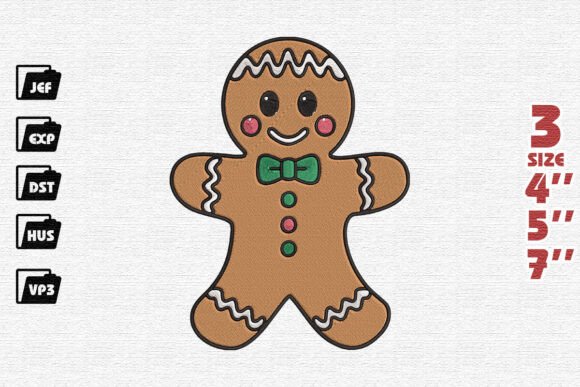
Christmas Gingerbread Man
A Designer’s First Impressions: Sweet, Seasonal, and Surprisingly Versatile
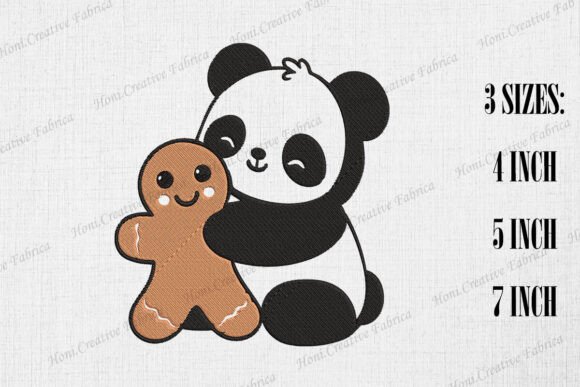
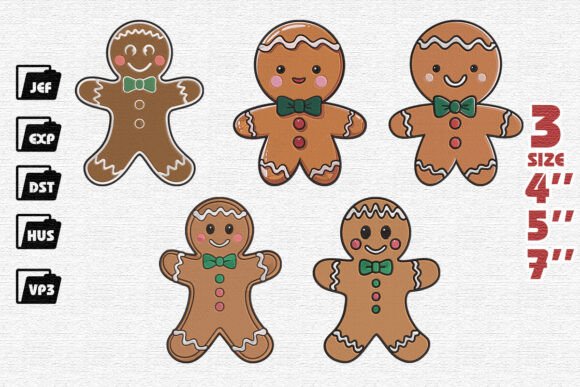
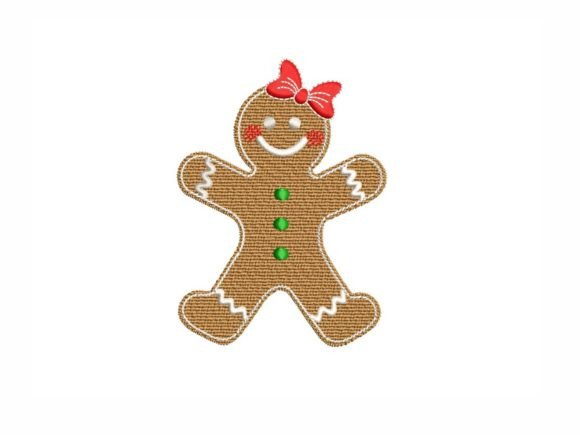
As an embroidery designer who’s tested hundreds of holiday motifs for small shops and Etsy sellers, the Christmas Gingerbread Man landed on my hoop with immediate charm. It’s not overly fussy or cartoonish—instead, it strikes a warm balance between playful and timeless. The pose is gentle (slightly tilted head, arms raised in cheerful greeting), the facial expression is kind rather than cheeky, and the icing details—swirls, buttons, and subtle piping—are rendered with just enough definition to read beautifully at 3–4 inches tall, without risking stitch crowding. It feels handmade, not mass-produced; festive but not kitschy. That emotional resonance matters deeply when you’re stitching a baby blanket or wedding keepsake—it invites connection before the first thread is even cut.
Where This Design Truly Shines: Real-World Personalized Gift Uses
The Christmas Gingerbread Man isn’t just another seasonal file—it’s a quiet workhorse for meaningful gifting. For baby embroidery, it softens nursery towels, swaddle blankets, and onesie pockets with sweetness that avoids cliché. On a linen pillow cover or cotton apron, it becomes a nostalgic centerpiece for holiday kitchen decor—ideal for craft fair booths or boutique gift sets. Wedding gift designers will appreciate how it elevates monogrammed hand towels or guestbook covers with lighthearted elegance, especially for December nuptials or cookie-themed showers. As a personalized gift, it pairs effortlessly with names (“Emma & Jack • 2024”), dates, or tiny stars—adding warmth without overwhelming the composition.
Etsy sellers and small shop owners can lean into its flexibility: use it on natural-toned tote bags for eco-conscious shoppers, embroider it onto organic cotton blanket corners for newborn bundles, or layer it subtly on tea towels alongside minimalist typography. Its clean silhouette also translates well into printable mockups—helping buyers visualize the finished product before purchase, which boosts conversion and reduces returns.
Smart Placement Matters: Where to Use It—and Where to Pause
Like any thoughtful machine embroidery design, the Christmas Gingerbread Man thrives with intention. It performs beautifully on stable, medium-weight fabrics like quilting cotton, linen blends, and tightly woven terry. But proceed with care on:
- Stretchy baby clothes—especially ribbed knits—where stabilizer choice and hooping technique are non-negotiable;
- Thick, textured towels—test stitch density and needle size to avoid skipped stitches or puckering;
- Curved surfaces like mug cozies or rounded pillow edges—consider simplifying placement to flat panels;
- Dark fabric—verify contrast in your chosen thread colors; creamy whites or pale golds often lift better than stark white on navy or charcoal;
- Products requiring frequent washing—like kitchen linens—confirm your stabilizer is wash-fast and your stitch density supports durability without stiffness.
Why Customers Choose—and Trust—This Kind of Handmade Product
Gift buyers don’t just buy a motif—they buy feeling, reliability, and story. The Christmas Gingerbread Man reads as intentional, not generic. That perception lifts perceived value: a $28 embroidered towel feels like a curated heirloom, not a seasonal impulse. For Etsy sellers, that translates to stronger reviews (“so much more charming than I expected!”) and repeat customers seeking consistency across collections. When used thoughtfully—as part of a cohesive holiday line or paired with coordinating designs—it builds brand trust. And because it’s inherently joyful yet understated, it photographs beautifully: soft lighting highlights the icing texture, and natural fabric backdrops let the custom embroidery speak for itself. That visual clarity drives engagement, especially on mobile feeds where split-second impressions decide clicks.
Practical Embroidery Notes Every Maker Should Run Before Stitching
Before adding the Christmas Gingerbread Man to customer orders—or listing it as a digital embroidery file—run these checks:
- Test on scrap fabric matching your intended product (e.g., terry loop pile for towels, brushed cotton for baby blankets);
- Confirm hoop size compatibility—some versions may require larger hoops for optimal detail retention;
- Review stitch density—dense areas like icing swirls should be legible but not overly heavy on lightweight materials;
- Use appropriate stabilizer: cutaway for stretchy items, tear-away for stable wovens, and fusible + tear-away for towels;
- Compare light/dark fabric mockups—a single thread color may vanish on black but glow on oatmeal;
- Inspect small details post-stitch: check button definition and icing flow—adjust tension if threads look flattened or fuzzy;
- Verify commercial licensing before selling finished products—this ensures your small shop product stays compliant and scalable.
Final Thought: More Than a Holiday File—A Story Starter
The Christmas Gingerbread Man succeeds because it doesn’t shout—it smiles. It’s the kind of embroidery file that turns a plain towel into a cherished memory, a baby blanket into a family tradition, or a wedding favor into a keepsake. For makers building a reputation on quality, warmth, and attention to detail, this design isn’t just seasonally useful—it’s emotionally intelligent. When stitched with care and paired with thoughtful presentation, it helps your handmade product do what the best personalized gifts do: hold space for joy, nostalgia, and quiet meaning—all in one sweet, stitched shape.