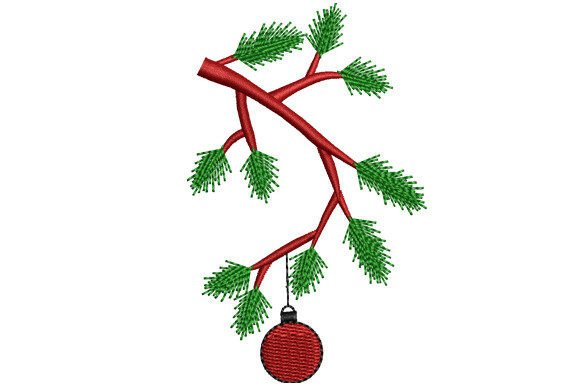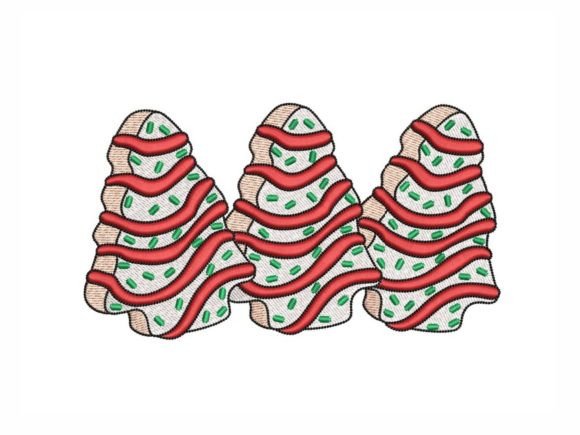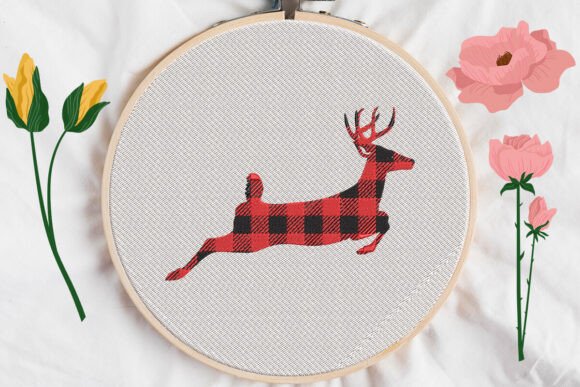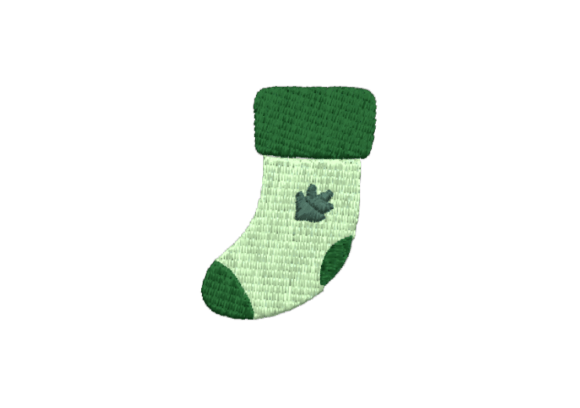
Christmas Applique Embroidery Design
A Craft Fair Designer’s First Look: Festive, Playful & Booth-Ready
As an embroidery designer who’s prepped over 200 craft fair booths—from snowy Midwest markets to sun-drenched Southern pop-ups—I opened the Christmas Applique Embroidery Design with one question: “Will this stop someone mid-aisle?” The answer is yes—immediately. That circular applique layout feels intentionally joyful and cohesive, not cluttered. It reads as festive first, playful second, and handmade premium third. No stark minimalism or forced whimsy here—it lands right in that sweet spot where farmhouse charm meets modern holiday energy. Customers don’t need to “get” it—they feel it.
Where This Design Shines on Real Craft Fair Products
The circular composition makes the Christmas Applique Embroidery Design unusually versatile across product types—but not equally effective everywhere. Here’s how it performs where it counts:
- Tote bag design: Ideal centered on the front panel. Large enough to read from three feet away, small enough not to overwhelm canvas or linen blends. Adds instant holiday personality without sacrificing utility.
- Apron embroidery: Perfectly balanced above the pocket or centered on the bib. The circular shape echoes traditional apron silhouettes and feels intentional—not tacked-on.
- Tea towel embroidery: Works beautifully in the lower corner or centered near the top hem. On textured cotton towels, the applique elements hold dimension and clarity better than dense satin-stitch motifs.
- Embroidered patch: A standout ready-to-iron option. Its self-contained shape means clean edges and easy peeling—even for beginners. Great for bundling with gift tags or mini kits.
- Fabric pouches & pillow covers: Scales well. At 3.5–4 inches wide, it anchors the front without competing with zipper pulls or seam lines.
- Caps & curved surfaces: Use caution. The circular outline adapts, but fine interior details (like tiny holly berries or delicate branch tips) may distort or stitch poorly without re-digitizing for curve compensation.
What Makes It Sell—Beyond Just Looking Nice
This isn’t just a pretty machine embroidery design—it’s a customer magnet. At a crowded craft fair, shoppers scan in under two seconds. The Christmas Applique Embroidery Design delivers instant recognition: circular = balanced, applique = tactile, Christmas-themed = seasonal urgency. It photographs exceptionally well for Etsy listings—especially flat-lay shots with natural light—because the contrast between base fabric and applique layers creates depth that flat vector graphics can’t match.
For batch production? Highly repeatable. Its consistent outer diameter and moderate stitch density mean fewer thread breaks, less re-hooping, and smoother transitions between fabrics. That directly supports small shop product consistency—and keeps your booth looking polished, not piecemeal.
Careful-Use Notes Every Embroiderer Should Know
Don’t skip these practical checks before cutting into your best holiday linen:
- Dense stitch areas: Applique borders and layered elements may require medium-weight cutaway stabilizer—especially on knits or lightweight cottons. Skip tear-away if you’re stitching on tea towels with heavy texture.
- Tiny details: If the design includes micro-elements (e.g., snowflakes under 3mm), test them on dark fabric first. They’ll vanish without high-contrast thread colors.
- Small lettering: Not mentioned in the description—but if any text appears inside the circle, verify legibility at 2.5 inches wide. Anything under 10pt size risks blurring in final stitch-out.
- Thick or textured fabrics: Felted wool, heavy burlap, or quilted cotton may compress applique edges. Always run a test on scrap with your exact fabric + stabilizer combo.
- Dark fabric: Light-colored applique fabric will pop—but check thread colors for top-stitching. Metallic or pastel threads may fade visually on charcoal or navy bases.
How It Elevates Your Entire Booth Presence
The Christmas Applique Embroidery Design doesn’t just decorate a product—it strengthens your brand story. When repeated across tote bags, aprons, and patches, it becomes a visual signature. Customers begin to associate that clean circular motif with your stall. That builds recognition faster than changing designs every week. It also lifts perceived value: handmade product buyers equate thoughtful applique work with care, time, and craftsmanship—not just speed or automation.
On display, it performs like a quiet anchor. Unlike busy all-over prints or oversized monograms, this design invites closer inspection. People lean in. They touch the fabric. They ask, “Did you make this yourself?” That’s the golden moment—the spark before the sale.
Pro Designer Checklist Before You Stitch
Before committing yardage or listing on Etsy, run through this live-action checklist:
- Test the Christmas Applique Embroidery Design on scrap fabric matching your intended product—same weight, same weave, same dye lot.
- Verify thread colors against your base fabric. Print a swatch or use a physical thread card—not just screen previews.
- Review spacing between applique layers and outer edge. Tight gaps increase risk of skipped stitches or fraying.
- Confirm hoop size compatibility. Circular designs often require larger hoops—don’t assume it fits your standard 4x4.
- Inspect stitch density in the file preview. Over 12,000 stitches? Add extra stabilizer and slow your machine speed.
- Use the right stabilizer: cutaway for stretch, tear-away for stable wovens, fusible for no-show backing on lightweight linens.
- Create at least one real mockup—not just a printable mockup—before photographing for your Etsy seller page.
- Compare how the design reads on light vs. dark fabric. Adjust thread contrast accordingly.
- Confirm commercial licensing terms. If selling finished product, ensure your digital embroidery file permits commercial embroidery use.
When you get those details right, the Christmas Applique Embroidery Design stops being just another holiday motif—it becomes your most reliable craft fair product, your best-selling Etsy listing, and the handmade detail customers remember long after the tree comes down.